




How To Clean Vacuum Packaging Equipment Food Plants
Cleaning vacuum packaging equipment in food plants should follow a controlled process, because residue, moisture, oil, and film scraps can affect sealing quality, food safety, and daily production stability. The FDA Food Code explains that food-contact surfaces should be cleaned and sanitized as part of a food safety program, while 9 CFR Part 416 requires food-contact equipment surfaces to be cleaned and sanitized as frequently as necessary to prevent insanitary conditions.
Before cleaning, operators should stop the machine, disconnect power, release pressure, remove remaining packaging material, and protect electrical areas. Vacuum chambers, sealing bars, silicone strips, conveyor areas, film paths, and product contact zones should be cleaned separately. Using strong water flow directly on control panels, sensors, motors, or vacuum pumps may cause hidden failure, so wet cleaning should be limited to approved washable areas.
Cleaning Area | Recommended Action | Quality Purpose
Vacuum chamber | Remove food residue, wipe with food-grade cleaner, rinse, sanitize | Reduces odor and contamination risk
Sealing bar | Remove film residue and grease after cooling | Keeps sealing strength stable
Silicone strip | Check deformation, cracks, and trapped debris | Prevents weak seals and air leakage
Conveyor surface | Clean product contact zones after production | Supports hygiene control
Vacuum pump area | Keep dry, check oil level, clean external dust | Improves equipment life
A practical cleaning sequence is dry removal, detergent cleaning, potable-water rinse, approved sanitizer use, air drying, and inspection. The International Association for Food Protection notes that surfaces should be cleaned and rinsed before sanitizing, because soil can reduce sanitizer effectiveness. Many sanitizer labels use contact times around one minute, although the exact time depends on the chemical type and local food safety rules.
For food plants, cleaning frequency should match product risk. Meat, seafood, ready-to-eat food, oily products, and high-moisture materials usually require stricter cleaning than dry goods. Equipment should also be cleaned after product changeover, shift change, visible contamination, or maintenance work. Keeping written sanitation records helps supervisors trace cleaning time, operator responsibility, chemical concentration, and inspection results.
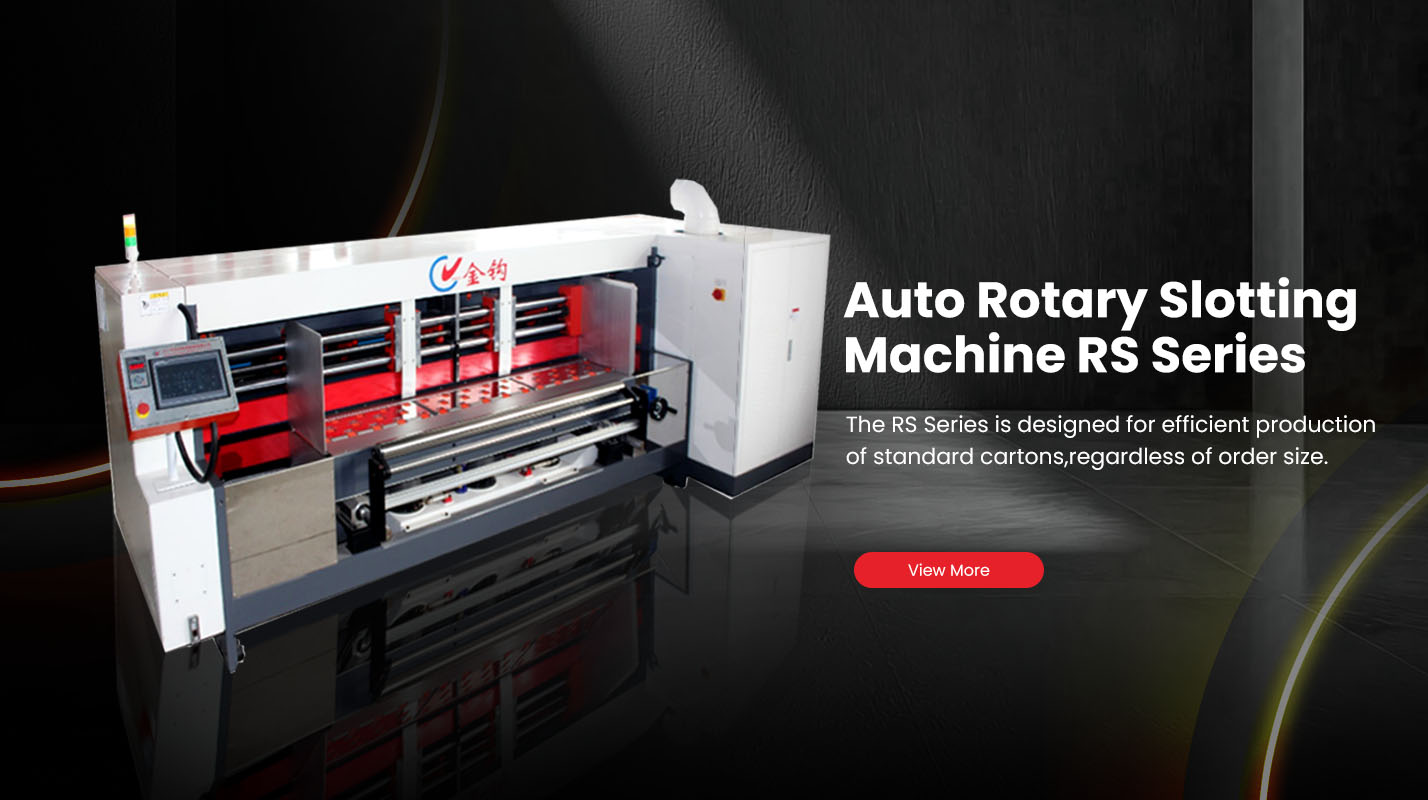
JINGOU focuses on packaging machinery solutions, especially carton forming machines, cardboard box forming machines, auto thin blade slitter scorers, and rotary slotter machines for flexible packaging production needs. For food plants that use vacuum packaging equipment, clean and stable primary packaging should also connect with reliable secondary carton production. JINGOU can support downstream carton preparation for packed food products, helping factories improve packaging flow, carton accuracy, and order flexibility.
Professional advice is to build a cleaning checklist around real production lines, not only machine manuals. Confirm contact surfaces, cleaning chemicals, water control, drying time, inspection points, spare sealing parts, and packaging-line connection before daily operation. JINGOU can help customers discuss packaging workflow, carton size requirements, equipment matching, and project procurement planning for food plant packaging lines.